
Highcarat Diamonds
4 C’s of Diamonds
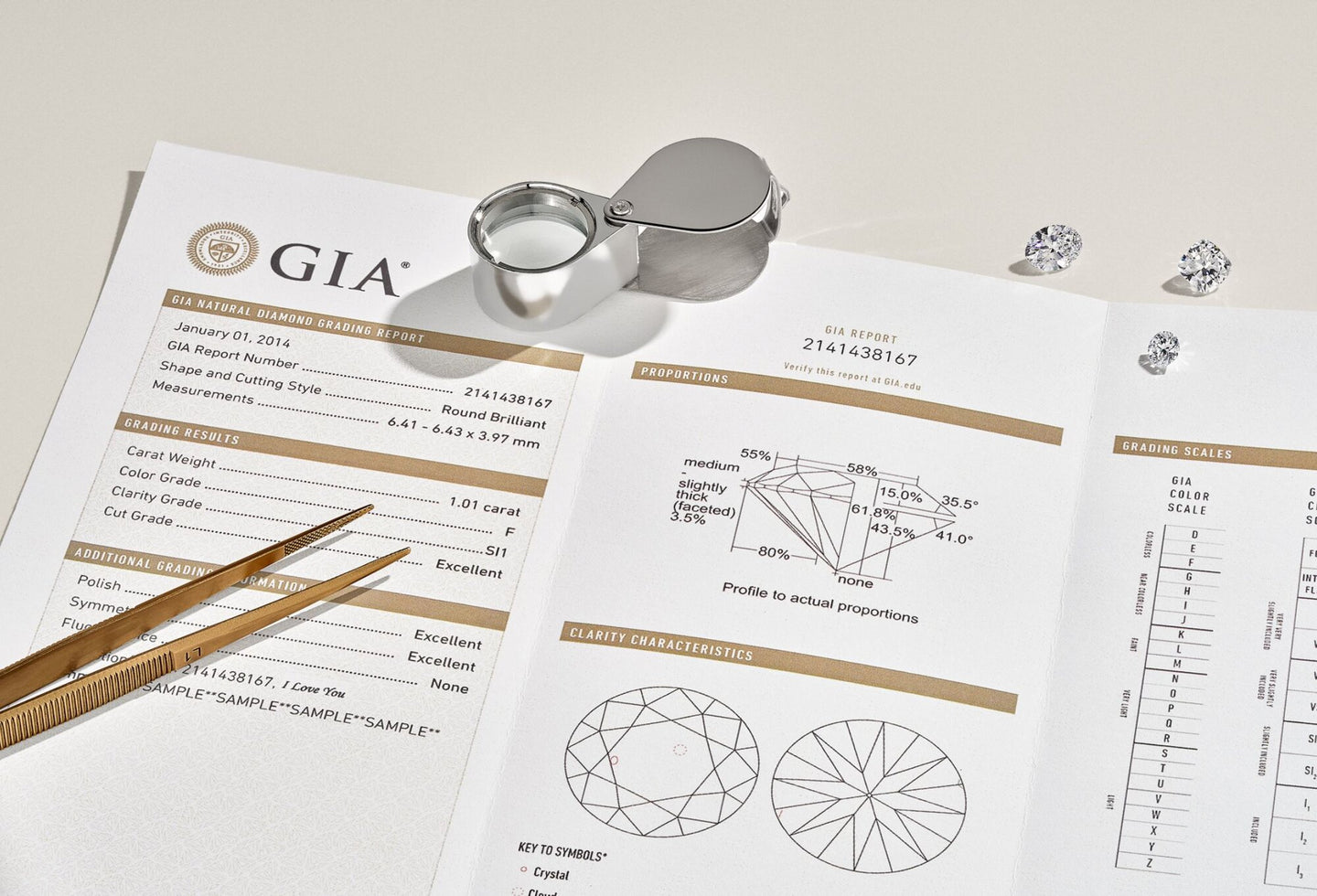
The 4 C’s — Cut, Color, Clarity, and Carat — are the worldwide standards used to evaluate a diamond’s beauty and quality.
Cut – Determines how brilliantly a diamond reflects light and sparkles.
Color – Graded from D (colorless) to Z (light color presence).
Clarity – Measures natural inclusions and surface characteristics.
Carat – Represents the diamond’s weight, with 1 carat = 200 mg.
| Lab Grown Diamonds | Natural Diamonds |
|---|---|
| Diamond hardness: Like natural diamonds, lab-grown diamonds are rated 10 on the Mohs scale and are scratch resistant. | Natural diamonds are famous for their hardness and brilliance. Like with lab-grown diamonds, they too are rated 10 on the Mohs scale. |
| Chemical composition: Unlike lab grown diamonds, natural diamonds are created with pure carbon and are made with the same chemical structure. | Natural diamonds are made of pure carbon deep beneath the Earth and shaped over millions of years, resulting in shared chemical makeup. |
| Density: Similar to natural diamonds, lab-grown diamonds have a density of 3.52 grams per cubic centimeter. | Contributing to their weight and feel, natural diamonds have 3.52 grams per cubic centimeter density. |
| Refractive index: Both lab-grown and natural diamonds have a refractive index of 2.4, which determines their brilliant sparkle and light refraction. | Natural diamonds exhibit the same refractive index, producing the iconic fire and brilliance highly valued in jewelry. |
| Origin: Using advanced technological processes like HPHT or CV, lab-grown diamonds are produced from pure carbon. | Natural diamonds are mined from the Earth’s crust through extensive excavation, a process that can be labor-intensive and environmentally impactful. |
| Cost: Generally, lab-grown diamonds are 70–80% more affordable than natural diamonds, offering consumers significant savings while maintaining quality. | Natural diamonds tend to be more expensive due to their rarity, market demand, and the costs associated with mining and distribution. |
| Certification: Lab-grown diamonds are certified by reputable international gemological laboratories, guaranteeing their authenticity and quality. | Certification: Natural diamonds also receive certification from gemological institutes. |
| Environmental impact: Producing one carat of lab-grown diamond saves approximately 100 square feet of land, significantly reducing habitat destruction and ecosystem damage. | Mining one carat of natural diamonds typically uses around 100 square feet of land and often results in deforestation and soil disruption. |
| Water usage: About 18 gallons of water per carat used, reflecting a much lower water footprint. | In contrast, natural diamond mining consumes about 126 gallons of water per carat, making it a far more water-intensive process. |
| Traceability and ethical sourcing: Lab-grown diamonds offer full traceability from creation to sale, ensuring ethical sourcing. | Natural diamonds may face challenges with traceability, and some can be associated with unethical mining practices. |